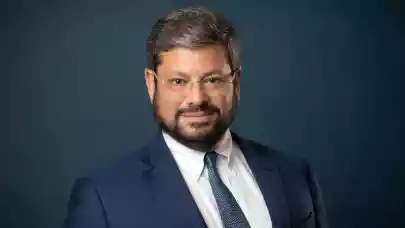
Over the last two and a half decades, a lot has changed in the Hungarian real estate market. Spectacular investments have shaped the image of the capital, while the modern real estate market as we know it today has gradually emerged. The biggest players were already present in the late 90s, including WING, which is 25 years old this year. During this time, the group has undergone dynamic changes, reflected not only in its developments in Budapest but also in its presence on international markets. We talked to Noah Steinberg, CEO of WING Group and Chairman of the Supervisory Boards of Echo Investment in Poland and Bauwert in Germany, about the main challenges of the past 25 years, the strategy that has been most effective in addressing them and the plans the group has for the next 25 years.
WING is 25 years old. What are the most important milestones in a quarter of a century as a real estate developer?
25 years is a significant period, although it seems very short to me. In that time, we have managed to build a market-leading real estate company. We are present in all segments in Hungary, both as real estate developers and as real estate investors, and we also own market-leading companies in Poland and Germany.
To put that into perspective, that's an average of more than 2 new deliveries per year for every year we've been in business. In Germany, Poland and Hungary, we have developed a total of 5.5 million square metres of floor space.
Over this time, WING has obviously developed its own character and unique operating model. What are the main characteristics of the company?
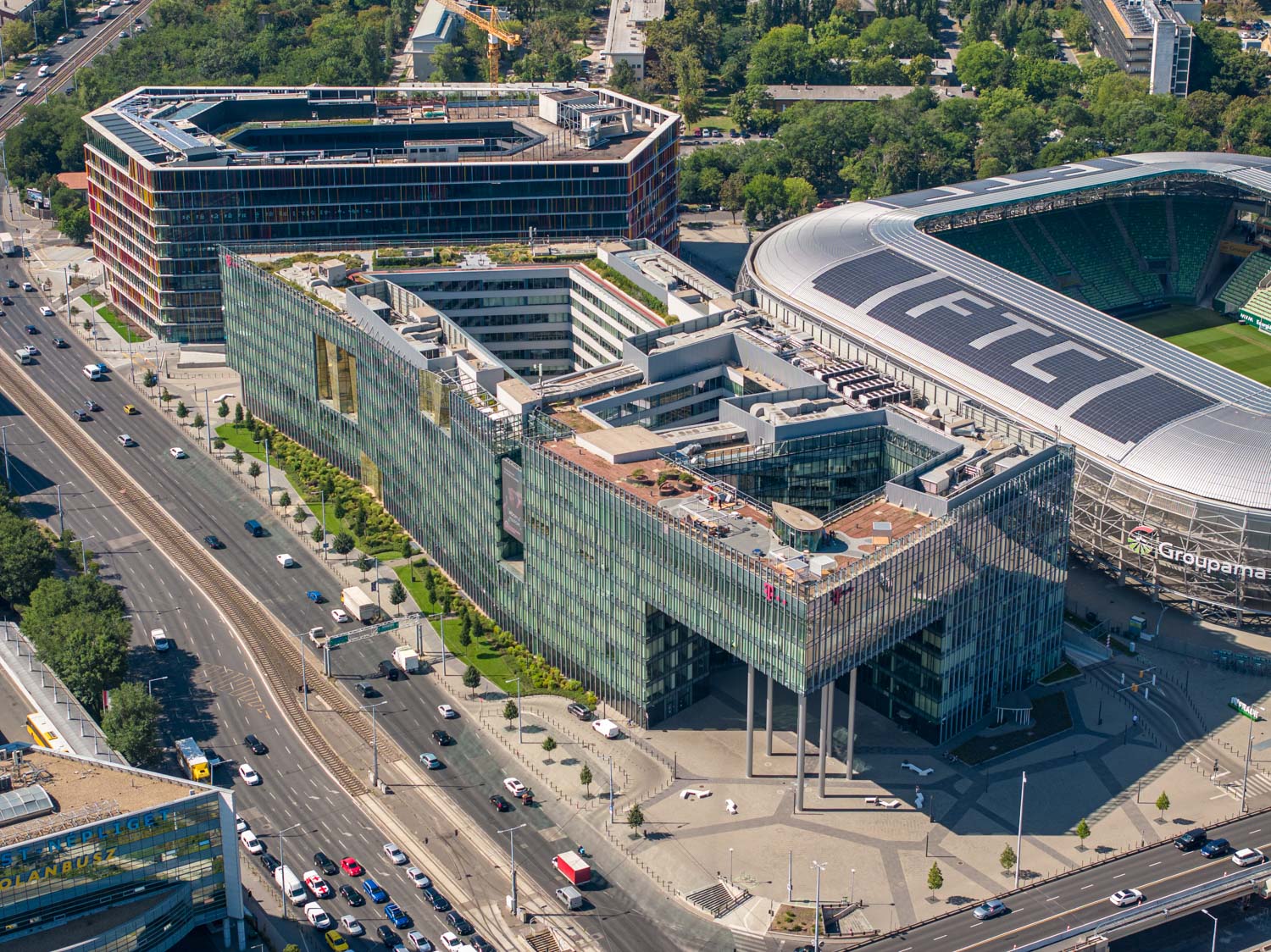
I have always emphasised that we create value. We have learnt to create buildings that meet the needs of their users, whether they are apartments, workplaces, warehouses, shopping centres or hotels. These buildings contribute value not only financially but also functionally and architecturally to urban development and to the built environment. Our developments in Hungary helped form the vision of Budapest. If you arrive in the capital by plane, you will see numerous projects that we have created, such as the Telekom Campus, Atrium Park, East Gate Business Park, GOBUDA Mall or the new Corvinus Campus. And that is a satisfying feeling.
I cannot leave out the journalistic question that has become a classic in such interviews. What is the secret of your success?
We have built a very good team of competent, honest people. This knowledge base and the intellectual workshop of our team have enabled us to achieve these results. Ultimately, 25 years have been about building a team that can do these things well, and we are confident that this will continue to be the case in the future.
Let's turn to market issues. How do you assess the last 25 years of real estate development experience in Hungary and the region? How difficult or challenging has this period been?
I think you always have to be alert and you always have to work hard, no matter what the market environment or circumstances are. There is often a greater sense of achievement in more difficult market conditions, as the stakes are even higher to do well in such times.
Have we ever had an easy time? No. You always have to work, you always have to be alert, you always have to look at what is happening with a critical mind and you have to constantly ask yourself: Is what you are doing right, Are you doing it right?
What are the main changes you have seen in the domestic real estate market on the developer and investor side in the last decades?
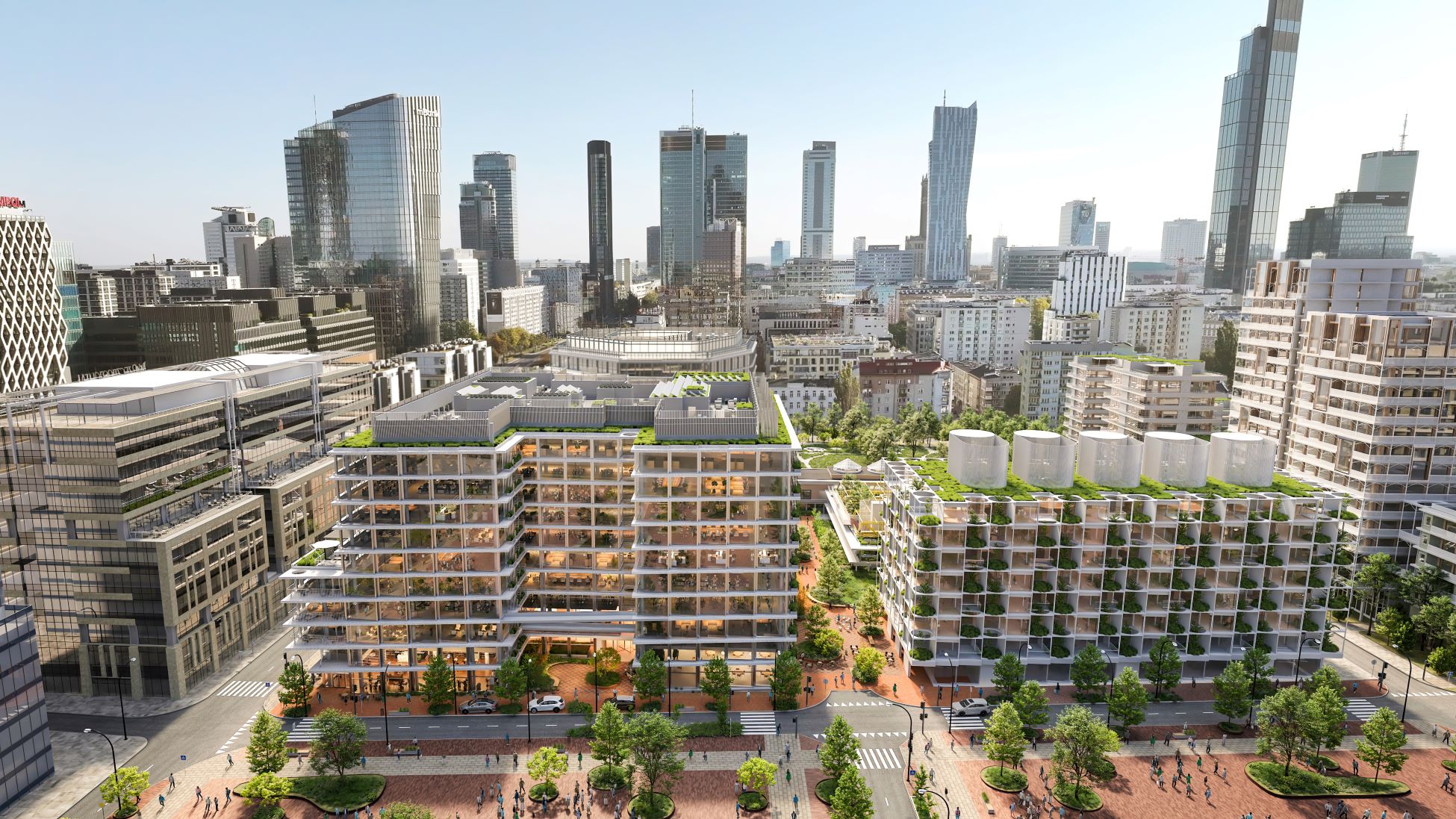
The modern Hungarian real estate market has really emerged in the last 25 years. There were projects before, but we can talk about the market as such from 1998-99. In Central Europe, it is a given that there was and still is a need for many buildings to “fill the gaps” of the previous decades. This gave a different dynamic than in a more mature market. In Poland, where we are also present as the majority owner of Echo Investment, the situation was very similar. Interestingly, in Berlin, where we are the majority owner of Bauwert since the beginning of 2023, the challenges were also similar, as it is essentially an Eastern European city from a development point of view. Historical fundamentals have given those of us, who started in the real estate business in the late 90s, the opportunity to play an active role in the development of cities.
How have tenant needs and property development changed over the years?
They have changed very dynamically. A few weeks ago we opened RTL's new downtown headquarters in Liget Center. RTL's CEO talked about how they used to work in a long corridor, a closed office environment, and now they work in an office with a single, spacious area, with a focus on collaboration, bringing teams together, fast information flow, and encouraging creative work. It's a cultural shift in office use. Technologies have also improved a lot, our buildings are not only more efficient, and more environmentally conscious, but also much more comfortable.
How important was the use of green solutions in the development?
Creating green buildings has been important to us for a long time and when we entered the residential market, a conscious goal was to focus on energy efficiency for new homes, which we also saw as a commercial advantage. All of our residential developments under development, including Le Jardin, Római Park and Kassák Terrace, are designed with this in mind, and a significant proportion of our apartments are near-zero energy, with an 'A' or 'A+' rating. The pandemic and energy crisis have reinforced these efforts. Another example is that the biggest energy use in an office building is usually cooling - if you have less to cool, it's greener and cheaper to run.
Today, obtaining green certifications and ESG compliance, in general, is a cornerstone of WING's operations and an expectation from international investors and financiers. In other words, sustainability is not only an environmental benefit, but also a business benefit, and these aspects go hand in hand.
How important is it to renovate and retrofit existing buildings today?
In our activities, we consciously choose to renovate and functionally revitalise old buildings that have historical, architectural and cultural value. At the same time, renovation is an approach that is less damaging to the environment, based on circularity and sustainability. The Liget Center is a prime example of this, alongside our previous heritage projects such as the Máriássy House, the Millenáris Office Building and Agria Park in Eger. We are very proud of RTL's downtown base, which is one of the greenest listed buildings in Hungary today. This complex consists of two parts: the office building facing City Park and the congress hall overlooking the Városligeti fasor, which has been vacant and dilapidated for more than 30 years. Here, too, we paid close attention to energy sources, CO2 emissions during construction and sustainable operation. It is often a prerequisite for international companies to move into a building that meets these requirements. However, from the developer's point of view, the retrofitting of an existing building can present many challenges and surprises along the way, with limited options that can have a major impact on the final outcome. In contrast, a new greenfield building can be designed from scratch, taking all aspects into account.
Going back a bit to the past, there have been two difficult moments in the last 25 years: the economic crisis of 2008 and Covid. How have you lived through these periods?
Of course, there were difficulties. With the economic crisis, for example, we had a situation that we had not anticipated - not only a deterioration of the market but also the fact that there was no investment market at all at a given time. We have learned a lot from these situations.
The lessons we learned after 2008 led us to decide to expand abroad because we realised that countries, economies and markets face crises in different baselines and cycles and recover at different speeds. It is healthier to be present in more markets and to have a wider base on which to stand.
After Covid, we saw a sudden change in demand, to which we had to respond quickly and flexibly in all segments. For example, balconies became much more important in apartments. In retail, there was a shift towards online shopping, which had a negative impact on footfall in shopping centres, but a positive impact on demand for warehouses - as we saw with the increased tenant enquiries for the East Gate Business Park. The home office was already a practice in the labour market, which became widespread in the wake of the epidemic, triggering changes in the office market. Tenants are looking for smaller footprints, but higher quality, healthier and more sustainable offices on both the domestic and international fronts.
Diversification was not just region- or country-specific. After the 2008 crisis came, for example, residential property development or more intensive hotel developments.
Our activities expanded organically, we started with industrial and office developments and then continued with retail, we got into residential development after the financial crisis, we had not done it before. Hotel development was not a response to the crisis, it was simply the best use of opportunities that we had to learn how to make.
Have you noticed any significant, even structural, changes in the functioning of the real estate market lately? How well is the market functioning?
Basically, the real estate markets are working well. There is demand for everything: we can sell our apartments, we can rent out our industrial properties and offices, our shopping centres are busy, our hotels are full. Occupancy rates are high in our offices, for example in Liberty it is already over 80%, although it is still under completion. At the same time, real estate investment markets across Europe have slowed down, with few transactions and buyers, largely due to the interest rate environment. But this does not mean that there are no opportunities, just that the time horizon has changed.
Isn't the Liberty office building and hotel complex a response to such a changing market?
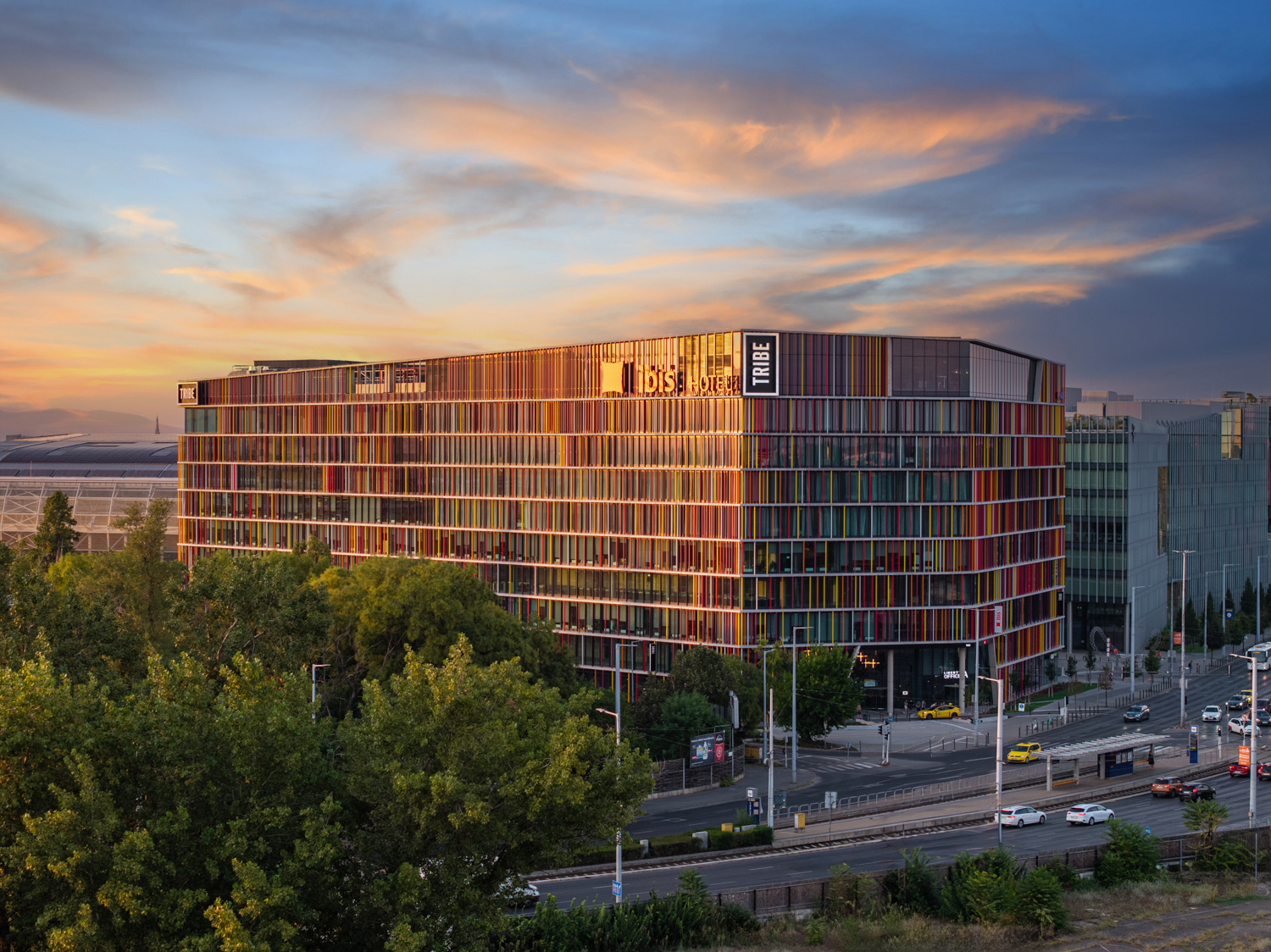
Liberty is a new kind of hybrid model, which is how we originally designed it. It was a conscious concept to have a quality hotel in this area, halfway between the airport and the city centre, next to the Groupama Arena, the Athletics Stadium, the MVM Dome and MÜPA. The dynamic increase in occupancy rates confirms this vision. The fact that it ended up as two hotels, a dual-branded ibis & TRIBE, was a strategic decision to meet broader demand.
However, market needs, tenant needs, investor needs and financing needs are clearly changing. How do you adapt to them?
We constantly monitor the markets and react. For example, as I mentioned earlier, with the rise of e-commerce, warehouse logistics needs have increased and office space use is constantly changing. We take into account user needs and market realities, including interest costs.
Going back to the topic of expanding abroad, in addition to changing market structures, what other considerations led WING to embark on international acquisitions? Were there other incentives?
Basically, we made the decision to enter European markets based on two findings. One was that after the crisis, the regional markets came out of the market slowdown with different dynamics than Hungary. The second is that the Hungarian market is still limited in size even in healthy years. We had more resources, both human and financial than we could deploy at home.
Why did you choose Poland? Were there other attempts elsewhere?
We looked at several markets and finally chose the Polish market of 40 million people. In addition, Echo Investment has a presence in seven major cities, which is a major advantage. We followed the model of looking for a company like ours, which is for sale, with a local team and projects. After two unsuccessful attempts, the third was Echo, a company listed on the Warsaw Stock Exchange with strong management and a similar corporate culture to ours.
How did you continue to expand?
As a next step, we thought it would be appropriate to make a move into Western Europe. We finally found a good opportunity in Berlin, Germany, also with an excellent local team and projects. It's very positive to see the professionalism of these companies, their values and business approach similar to ours. Excellent collaborations have been established.
How difficult was it to secure financing for these acquisitions?
We have been a stable and reliable partner for banks and investors for decades, and we have been active in the capital markets as a bond issuer since 2016. These have provided a good foundation, however, all acquisitions have taken a lot of work. We have a 66% stake in Echo, 34% of which is floated on the Warsaw Stock Exchange. In Berlin, we have 60% ownership, with the two founding owners retaining 20-20%. Nothing is easy, you always have to work for everything. If we make an acquisition, the next day we continue in the same way.
What was the key to being able to acquire these businesses as a Hungarian company?
I think our attitude and our professionalism were decisive. We were competing with bigger investors, but we still managed to close the deals. We were very focused, it was very important to us and the partners felt that. In Germany, for example, a company about to change generations was looking for a strong professional partner, and that's how we met.
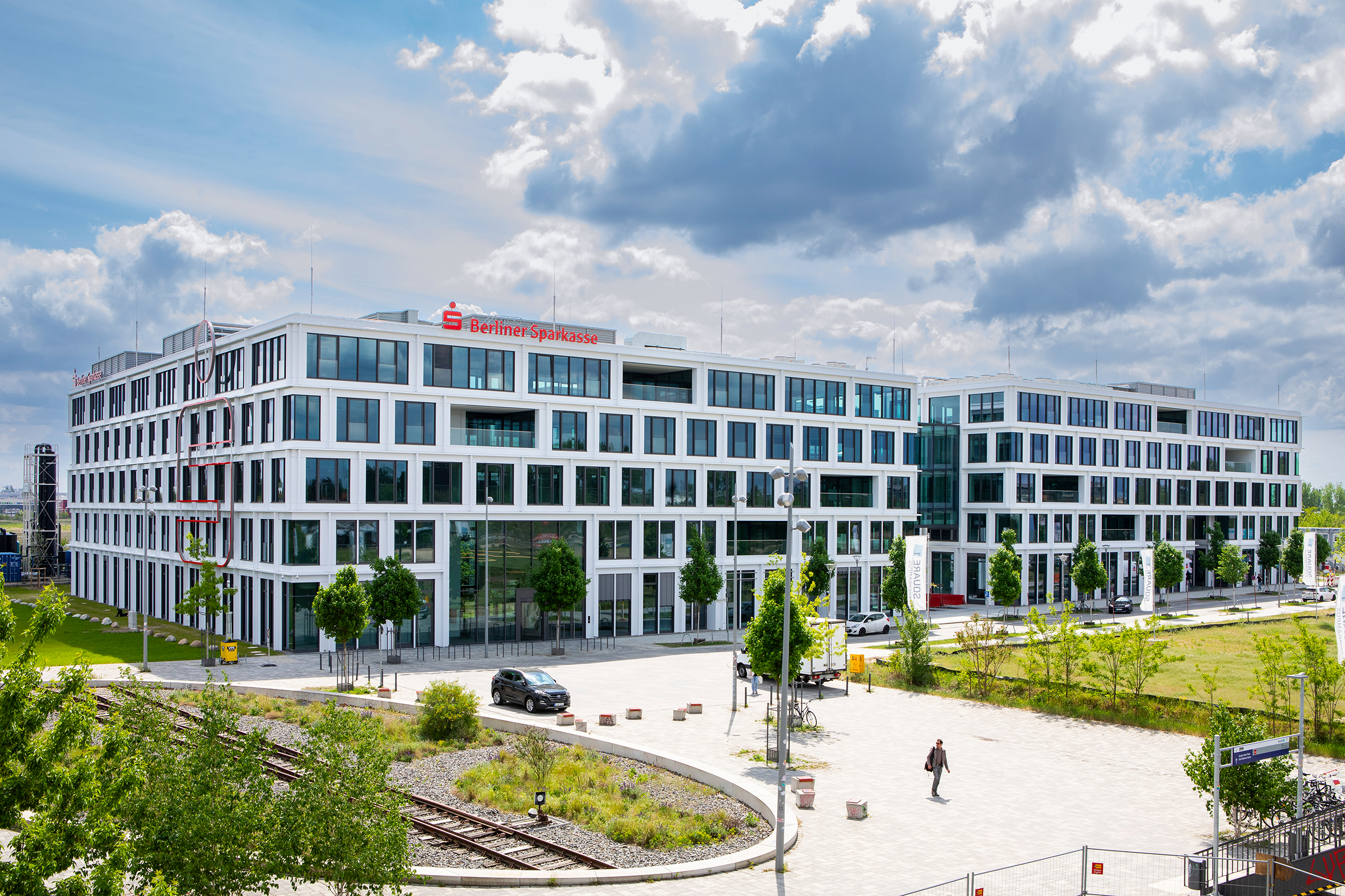
Let's return back home. The airport is a priority development area for WING with its own projects. What is your wish or vision for the next period, do you see further momentum with the development of the airport and the implementation of further projects for WING?
My wish is for Budapest Airport to be as successful as possible. This is in the interest of the country, I believe it is in the interest of the economy, and it is in our interest as well. We have created a hotel with a direct terminal connection, which was a missing niche. We are now working on the second one, TRIBE Budapest Airport, which will further expand the range of airport services, and the better it fulfils its function, the better it will be for everyone.
In conclusion, let's look to the future! What are the factors that are most likely to influence the real estate development sector in the next 5-25 years? I'm thinking of topics such as ESG, artificial intelligence, energy and security issues, teleworking, or the expectations of Gen Z. What's the hottest topic in decision-making?
These are indeed important issues, but I would rather approach the question in a way that our task is to create and own buildings that meet the needs of their users. To do that, we have to take into account what they want to do in the building, and what is important to them, and we develop our products on that basis, so we work with a very complex set of criteria and needs. Indeed, ESG, AI, and Generation Z expectations are components of this, they support our development and their application or knowledge helps us in our work, but they are not the most important ones for meeting our goals.
So there are core functions that will not change in the long term?
Yes, exactly. At a previous strategy meeting, Tibor Veres, majority owner of WING, gave a poignant example of this. We were in a building that is several hundred years old and has long been used as an inn. In this context, Mr Veres remarked, "It is very likely that people were staying here 200 years ago and very likely that they will be staying here 200 years from now." So there are relatively constant needs: somewhere to live, somewhere to entertain, somewhere to store goods, and people working in teams, which requires personal contact.
How do you balance new trends with essential functions?
We want to keep up with the times, both in our own operations and in our products. New knowledge and tools support operational efficiency, so it makes sense to incorporate them into our daily work. But what's in fashion at the moment can be a distraction or even misleading, because the core functions are not changing so radically.
So it's worth paying attention to these new trends, but in the meantime, will traditional property development continue?
Exactly. I don't want to trivialize the changes, especially if they are good ones. Energy efficiency, for example, has improved a lot over the last decades. The criteria that people use to make decisions about which building to choose have also changed. The technology, the AI and the amount of information we have about how a building works and the people in it have improved enormously. We are watching and trying to keep up with the changes. I believe in working with smart, critical-thinking people who will be able to recognise in time when and how to do things differently or to move forward with development.