Hungary's construction sector saw a marked slowdown in the second quarter of 2026, according to the latest EBI Construction Activity Report prepared by Eltinga, Buildecon and iBuild. Projects worth less than HUF 470 billion started in Q2, the third lowest figure since 2021 and about 41% below the average quarterly value recorded between 2021 and 2026. The strong Q1 performance, boosted by the Paks 2 project and a high volume of multi-unit residential starts, kept the overall first-half decline to just over 3% like-for-like, though H1 2026 still fell between 17% and 45% short of the equivalent periods in 2021 to 2024.
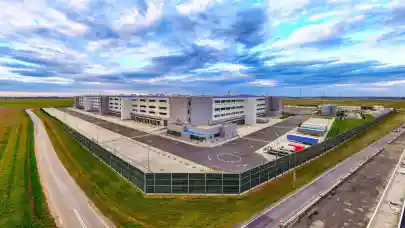
In building construction, the value of projects entering construction in Q2 did not reach HUF 350 billion, making it the second weakest quarter since 2021. Non-residential Project-Start for H1 2026 came in at slightly more than HUF 500 billion, the lowest in six years and between 10% and 52% below the same period in prior years. Among the larger non-residential projects launched in Q2 were the Airport Service Centre Office Building, Phase 2 of Petőfi Theatre in Veszprém, Phase 2 of a CTP logistics park in Érd, a further phase of the Weerts Logistics Centre and the final works of Phase 2 of Kecskemét Campus. In civil engineering, Q2 Project-Start slightly exceeded HUF 120 billion after the Paks 2-driven surge in Q1, with the combined cycle gas turbine power plant in Visonta and the hybrid geothermal power plant in Zsana among the largest projects started.
Multi-unit residential Project-Start barely exceeded HUF 100 billion in Q2, a level not seen in the previous two years. Several factors are cited for the weaker Q2 performance: some correction was expected after a near-record Q1, developers became more cautious due to a government change and moderate demand, and the suspension of certain projects previously supported under the Home Start Programme is delaying construction starts, potentially affecting 17,000 dwellings. The newly announced Wekerle Housing Programme, backed by €550 million of EU funding and targeting affordable rental housing and student dormitories, could support multi-unit residential construction, though its impact is expected to be more pronounced in the medium term.
Looking at regional distribution across the past four quarters, Central Transdanubia accounted for the highest share of construction starts at 26%, driven largely by the M1 motorway expansion that began in Q3 2025, narrowly exceeding Warsaw's share of Budapest at 25%. Western Transdanubia recorded the lowest share at 6%, while other regions ranged between 7% and 11%. The biggest regional declines in multi-unit residential starts between Q1 and Q2 were in Pest County and the Northern Great Plain, at 80% and 84% respectively, with Budapest and Western Transdanubia each falling by 68%.
On the completions side, the value of finished multi-unit buildings reached HUF 180 billion in Q2 2026, the highest Project-Completion figure in 11 years at current prices. Completed schemes included several phases of Kincsem Residential Park and Phase 1 of the Beluga Bay condominium, both of which began construction in 2023 and 2024. Completion volumes are expected to remain high in the second half of the year, with Epresliget Residential Park in Debrecen and Újbuda Garden condominium in Budapest both anticipated to finish.