The rest of Europe can gain a lot from the UK’s divorce

22
Sep
2016
News - The rest of Europe can gain a lot from the UK’s divorce #CEE #CEE Property Forum #conference #Portfolio Property Forum #RICS #Vienna

by Ákos Budai | Report

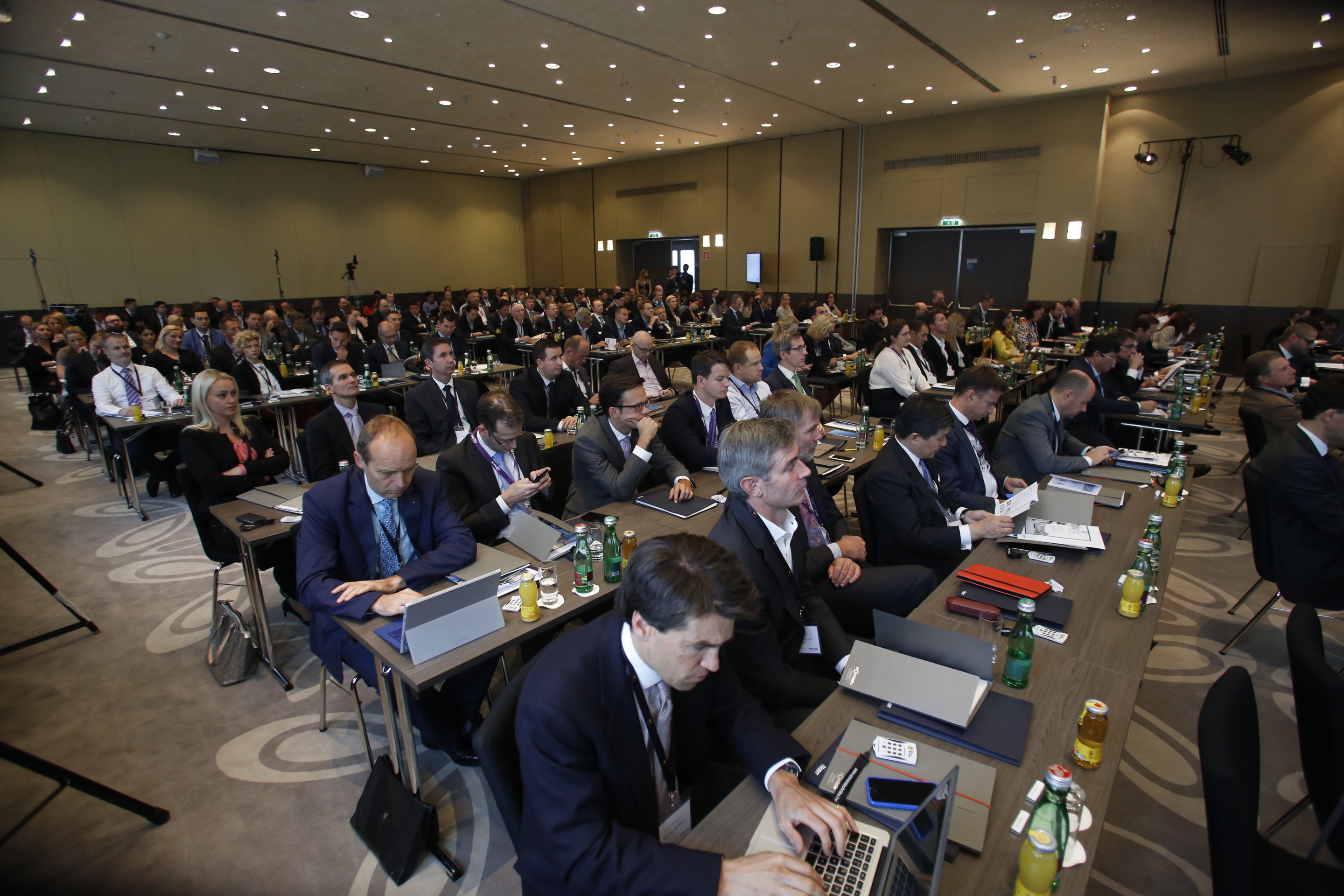
Brexit has proven that nothing is certain, but at this point it seems that the divorce of the UK and EU won’t have much of an impact on Central and Eastern European property markets. Over 300 visitors and 70 speakers came together in Vienna to discuss the most pressing issues concerning the CEE property industry. We report from CEE Property Forum 2016, co-organised by Portfolio Property Forum and RICS. 


The unknown implications of Brexit
 
Fear over the potential consequences of Brexit have dominated property news cycles over the summer, but in spite of all the uncertainties markets seems to be rather optimistic at this stage. Many think that not much will change as a result of the referendum, said Zsolt Darvas, Senior Fellow at Bruegel Institute, while talking about the macroeconomic implications of Brexit. 
 
Negotiating the terms of the divorce will take a lot of time, but in the end the UK can have a similar relationship with the EU that Norway, Liechtenstein, Iceland or Switzerland has. These countries enjoy almost all benefits of the single market without being actual member states. Unfortunately the three key demands of Brexiters (reduced immigration, eliminated EU budget contribution, control taken back) are inconsistent with EAA and Swiss-type deals, so it will be really difficult to satisfy those who voted leave while at the same time reaching an economically and financially favourable agreement for the UK. 

One should not forget, however, that Brexit can have a number of potential positive impacts on the rest of Europe such as the recognition of the need for more diversity within the EU, the reform of the EU budget or the relocation of some financial and economic activities from the UK to the EU27, added Zsolt Darvas.
 
There is a good chance that a number of companies will decide to move their operations from London to other cities of Europe, but members of the senior economists’ debate at CEE Property Forum 2016 believe that this will have a limited impact on European property markets. The number of people that will have to be moved in a hard Brexit scenario is relatively small, said Peter Attard Montalto, Executive Director and Senior Emerging Markets Economist and Strategist at Nomura, who think that it will be enough to move HQ addresses for passporting and tax purposes. 

Although 70% of professionals surveyed after the referendum believe that companies in the UK will maintain their financial passports, 60% of companies would move some of their staff if they lost  their passports and half of them are already looking to move, said Joseph Kelly, CEO of DealX. Even if a bundle of companies were to leave London it is unlikely that they would move their operations to CEE.  Secondary financial centres of Europe such as Dublin, Luxembourg, Frankfurt or Amsterdam would be the top choices.
 
According to a poll conducted at CEE Property Forum 2016, 69% of respondents think that Western European property markets will benefit most from Brexit and only 11% think that CEE will emerge as one of the winners of the divorce. Members of the European real estate executive roundtable at the conference agreed that Brexit probably won’t drive occupier markets in CEE either, but it might accelerate current trends. 69% of participants think that the office market can see the biggest growth. 
The weight of capital into real estate is rising
 
H1 2016 property investment volumes were down 27% y-o-y in Europe because of the weak performance of the two biggest markets, the UK and Germany. According to Damian Harrington MRICS, Head of EMEA Research at Colliers International, investors are feeling that the end of the current UK property cycle is near. On a more positive note, most CEE and Nordic countries have managed to grow over the first half of the year and the future looks promising for these markets. 65% of conference participants think that there have not been any noticeable impacts of Brexit on CEE markets to date.
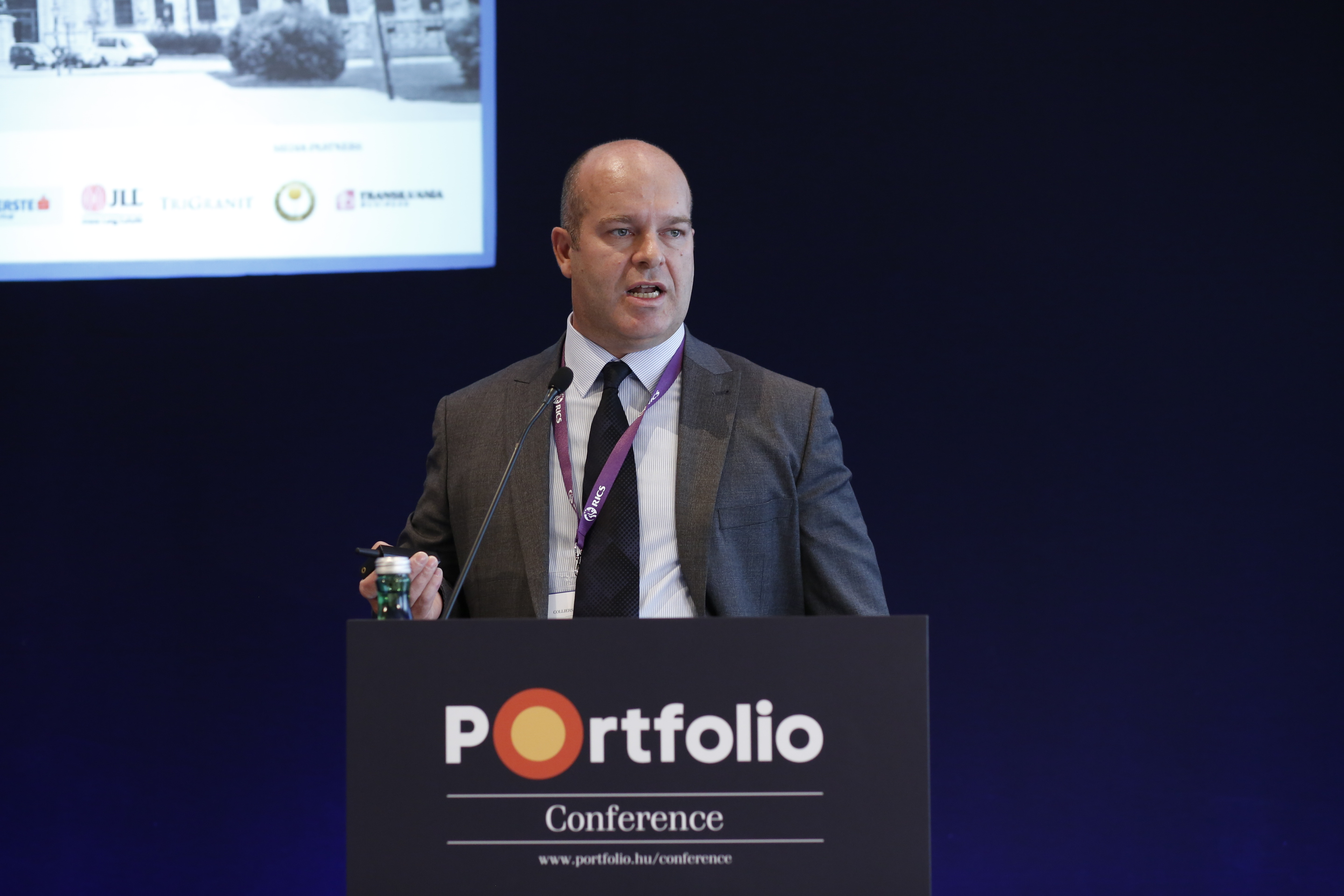
Investors chasing higher yields are bound to invest in more risky countries as there is a negative relationship between political transparency and yield levels, reminded Damian Harrington. Luckily for CEE, political risks are not likely to disappear anytime soon, so it is no wonder that the conference was characterised with a general optimism. 58% of participants think that investment appetite will improve over the next 12 month and 33% think that it will remain unchanged. At the same time, 44% thinks that Brexit will not have a positive impact on CEE investment yields, while 33% thinks that it will. Brexit doesn’t have a positive impact on investment markets but it also doesn’t impact investment decisions outside of the UK, added Frank Nickel, CEO of CA Immo.
 
Dr. Marcus Cieleback, Head of Research at Patrizia thinks that European investors are unsure about the regulatory environment that’s why they postpone some of their investment decisions, adding that investors coming from overseas view Brexit differently and it effects their current decisions more moderately. Some bigger transactions were put on hold as market players waited for the results of the referendum, but 2 out of 3 have gone through since, added Dirk Lentfer, Head of REIG at Noerr LLP.
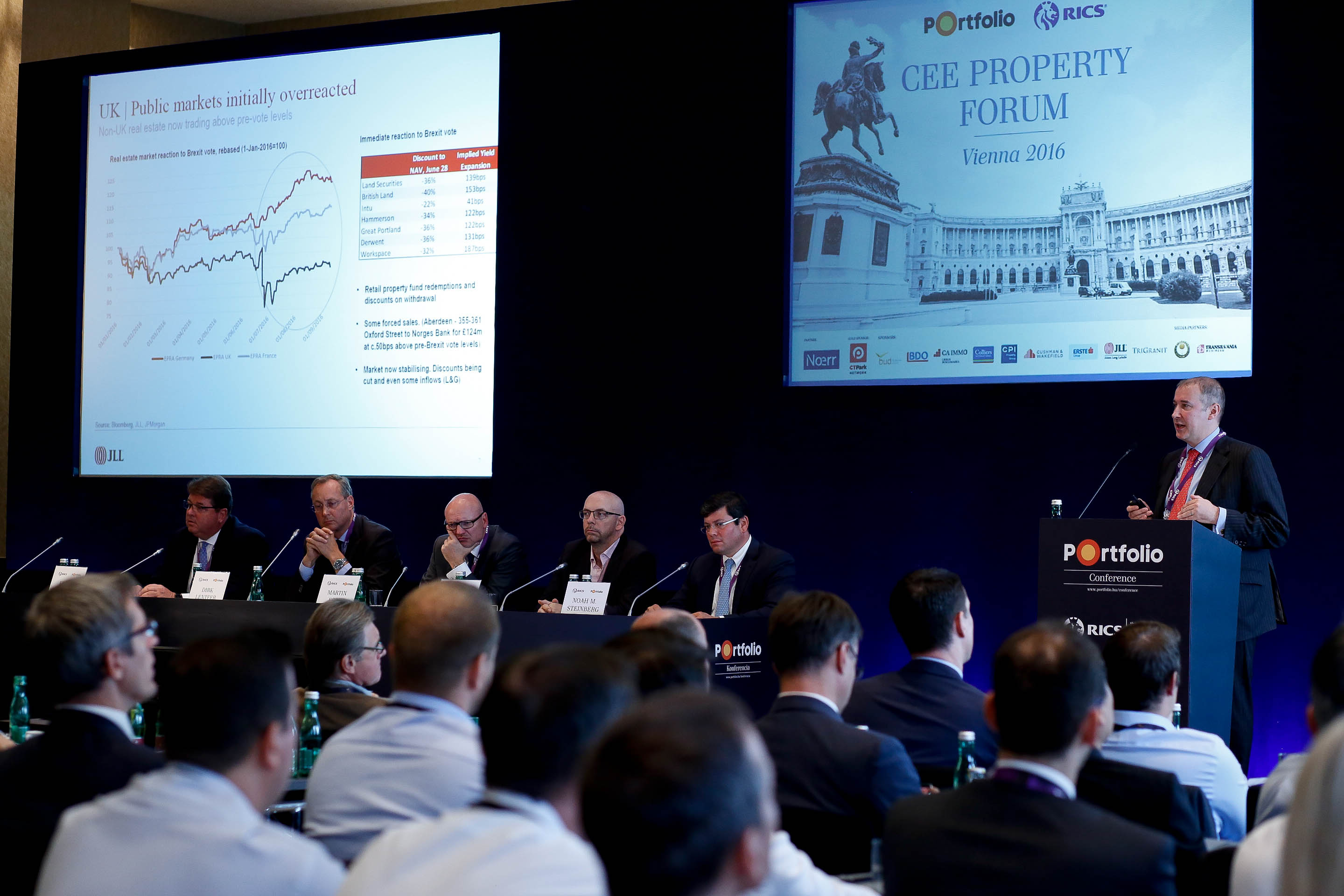
According to Robert Stassen, Director of Capital Markets and Research (UK & EMEA) at JLL Brexit has caused a disruption, not destruction. Non-UK real estate is already trading above pre-vote levels and many investors have started to focus on the safer parts of Europe as Brexit has created more uncertainty. Brexit has indeed proven that nothing is certain, added Noah M. Steinberg FRICS, Chairman of RICS in Hungary and CEO-Chairman of WING, reminding that the first market to recover after the 2008 financial crisis was London core office. 
 
The road to success 
 
Dr. Louise Brooke-Smith FRICS, Immediate Past Global President (2014-2015) of RICS moderated an interdisciplinary discussion focusing on the future of CEE as a business destination. One of the speakers, Tamás Polster MRICS, Co-head of Consulting EMEA at Cushman & Wakefield thinks that companies are looking for talent and only countries that have been able to increase the quality and the sustainability of their education can be successful as business destinations. Although Budapest and Prague are the two cities that attract the most international talent, Poland and Romania are the ones that have done well with opening their regional centres for foreign companies.
Countries in the region not only have to fight for attracting talent but for keeping local talent as well. People don’t leave CEE for higher salaries, but because they believe that they and their family will have a more sustainable future in more liveable cities with better education and healthcare, added Tamás Polster.
 
The most promising economies
 
Members of the senior economists’ debate didn’t agree on which CEE country has the most potential. Tatha Ghose, Senior EM Economist and Director at Commerzbank AG, believes that based on growth figures Poland and Romania are the two countries in the region to watch out for. Peter Attard Montalto worries about a difference in the quality of growth between Poland and Romania, remains pessimistic about Hungary’s growth potential and thinks that on the longer term Serbia looks rather interesting, although structural reforms are needed there. 



Latest news


New leases

  • Cordon Electronics, a specialist in electronics and advanced technologies, has renewed its lease agreement at MLP Pruszków II, in the immediate vicinity of Warsaw. The company will continue to occupy a total of 7,770 sqm of modern space, a footprint that includes 458 sqm dedicated to office operations.
  • mBank, the digital banking company in Poland, has decided to relocate its largest corporate branch in Lower Silesia to the Infinity office building in Wrocław. The company will occupy nearly 1,300 sqm on the fourth floor of the building. The tenant will move into the development owned by Avestus Real Estate and Alchemy Properties in January 2027.
  • GSP Global Solutions Provider has further expanded its cooperation with CTP by leasing an additional nearly 7,000 sqm in CTPark Budapest Vecsés on a long-term basis.

New appointments

  • Krzysztof Wróblewski (MRICS) has been named Head of Portfolio Management CEE at Peakside Capital Advisors, responsible for overseeing investments and managing the real estate portfolio. He succeeds Christopher Smith in this role.
  • Garbe Industrial is reorganising its senior leadership team. CEO Christopher Garbe will now focus on strategic orientation and international activities. Jan Philipp Daun assumes leadership of the Development division alongside his existing Investment and Joint Venture responsibilities. Andrea Agrusow expands her remit to include Portfolio Management while retaining control of Commercial and Real Estate Management. Additionally, Michael Marcinek and Maik Zeranski will now jointly head the restructured Development unit as Management Board Members, succeeding Adrian Zellner.
  • CPI Property Group is strengthening its leasing structure with the appointment of Agnieszka Baczyńska as Head of Leasing. In her new role, she will be responsible for shaping and executing the leasing strategy across the group’s office and retail portfolio in Poland. At the same time, Izabela Potrykus has been appointed Leasing Office Director. Baczyńska brings more than 20 years of experience in the commercial real estate market. Prior to joining CPI Property Group in 2022, she served as International Leasing Director at Neinver Polska.


Latest news

News - Impact Group posts 34% profit gain in 2025
27
Feb
2026

Impact Group posts 34% profit gain in 2025

by Property Forum
Romanian developer Impact Developer & Contractor reported a 34% increase in consolidated net profit to €19.5 million in 2025, up from the previous year.
Read more >
News - Prague office market faces supply crunch in 2026
27
Feb
2026

Prague office market faces supply crunch in 2026

by Property Forum
Prague's office market is experiencing a supply shortage that will continue through 2026, with vacancy rates dropping to just 5.9% - the lowest since early 2020, according to a report by Colliers. Despite strong demand, limited new construction is creating tension in the market.
Read more >
News - Rohlig Suus expands to 48,000 sqm at Eli Warsaw Airport
27
Feb
2026

Rohlig Suus expands to 48,000 sqm at Eli Warsaw Airport

by Property Forum
European Logistics Investment (Eli) has finalised a lease renewal and expansion at its Warsaw Airport Park in Janki with Rohlig Suus Logistics. Under the agreement, Rohlig Suus Logistics extended its lease for the next 15 years and will expand to approximately 48,000 sqm, consolidating operations and becoming the sole occupier of the park's north building.
Read more >


Property Forum ABOUT US

Property Forum is a leading event hub in the CEE real estate industry with over 10 years of experience. We organise conferences, business breakfasts and workshops focused on real estate, in London, Vienna, Warsaw, Budapest, Bucharest, Bratislava, Prague, Zagreb and Sofia, amongst other locations.
Please send press releases to
newsdesk AT property-forum DOT eu
MORE >

CONTACT

NEWSLETTER


Property Forum © 2017 – 2026 | Terms & conditions | Privacy policy